White Fillings for Children

Gentle repairs
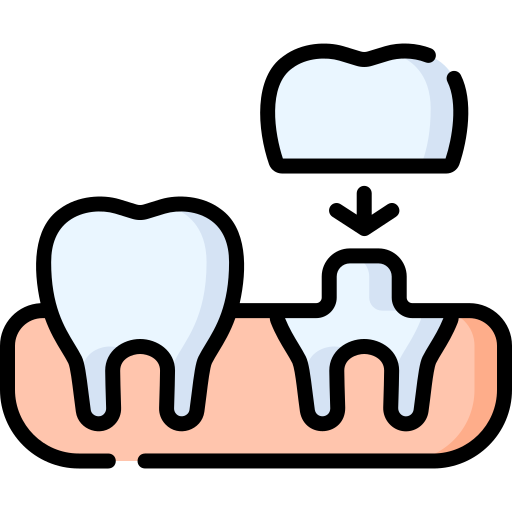
When a cavity needs filling, we use tooth-colored, resin-bonded materials that blend into the smile — and we never place silver.
A child in a red shirt enjoys a playful moment with a dentist, sharing a high five while seated in a dental chair, holding a blue plush shark.

Why fill a baby tooth?

Because a cavity never stays small on its own. Left alone, decay spreads deeper into the tooth, starts to hurt, and can infect the adult tooth developing underneath. A small filling now prevents a big problem later.

And small is the whole strategy: the earlier we treat, the shorter the visit, the less tooth we touch, and the easier the experience for your child.

0
silver fillings
We only place white, resin-bonded fillings. No amalgam, ever.

Modern materials, clear answers:

White (resin-bonded) fillings
  • Bond directly to the tooth — often preserving more healthy structure
  • Look natural, blend into the smile
  • Materials have improved dramatically over the past decade
  • No mercury, no metal
Already have silver fillings?
  • We're happy to evaluate fillings placed elsewhere
  • Often, a filling that's doing its job is best left alone
  • If replacement makes sense, we'll tell you why — and if it doesn't, we'll tell you that too
We never place silver fillings, and we never fill a tooth that doesn't need it.

What to expect:

1
We show you first.
You'll see what we see — where the cavity is, how big it is, and why a filling is (or isn't) the right call.
2
Comfort options, sized to your child.
From going slow with warmth and humor, to nitrous oxide, to more when it's truly needed.
3
In and out.
Most fillings are quick, single-visit procedures. Your child leaves with a repaired tooth and, just as important, a good memory of the visit.

A smiling woman with long, light brown hair and glasses, standing in an office setting adorned with framed certificates, exuding a friendly and professional demeanor.

Dr. Trahan is a board-certified pediatric dentist whose research background includes the development of novel antimicrobial dental materials.

The materials in your child's mouth are ones she knows down to the chemistry.

Did You Know? 

What parents think they know about fillings is often a generation out of date.
Misconception White fillings contain the same mercury as silver ones.

what's actually true

Resin fillings contain no mercury. That concern belongs to amalgam — which we don’t place.

Misconception Once a tooth is filled, it can’t get another cavity.

what's actually true

New decay can form at the edges of any filling. Brushing, flossing, and checkups protect the repaired tooth just like every other one.

Misconception Fillings are permanent.

what's actually true

Fillings in baby teeth serve until the tooth naturally falls out; fillings in adult teeth can last many years but need monitoring. That’s one reason regular checkups matter after treatment.

Misconception If a filling is small, you can just wait and watch.

what's actually true

Small is exactly when to treat — smaller fillings mean shorter visits, less tooth removed, and easier experiences for your child. Waiting only makes it bigger.

Misconception Getting a filling is always a traumatic experience for a kid.

what's actually true

With behavior guidance, gentle technique, and the right comfort options, most children handle fillings far better than their parents expect.

Misconception All dentists still use metal fillings.

what's actually true

We place only white, resin-bonded fillings. We don’t use amalgam (silver) fillings in our practice at all.

Misconception White fillings are weaker than silver ones.

what's actually true

Modern resin materials have improved dramatically and hold up very well in children — they bond directly to the tooth, which can mean keeping more healthy tooth structure. White resin fillings can only be used to treat small cavities, so early detection with X-rays is necessary.

Misconception A cavity in a baby tooth doesn’t need to be filled.

what's actually true

Decay spreads, causes pain, and can infect the developing adult tooth. Treating cavities in baby teeth protects your child now and their adult smile later.

    Frequently Asked Questions

    Real answers to the questions parents ask us every day — from first visits to braces, brushing to sedation.


    Aetna LogoBlue-Shield-CA LogoCigna LogoDelta-Dental LogoGuardian LogoHumana LogoMetLife LogoSDC LogoTricare LogoUnited-Healthcare LogoUnum LogoZelis Logo
    ABPD Certification Logo
    APD Certification Logo
    Goodland Children's Dentistry Logo

    Ready to talk through your child's options?

    Schedule an Appointment
    New PatientsGet Started Here