Infant & Toddler Dentistry

The first years
Good dental health starts before the first birthday — with gentle first visits that set up a lifetime of easy ones.
New PatientsGet Started Here

Why start so early?

Most dental problems in young children are preventable — but only if we're watching before they start. Early visits catch feeding-related decay, development questions, and habits while they're easy to redirect.

Just as important: a baby who grows up visiting the dentist never learns to fear it. That first gentle, no-pressure visit is the foundation of the "dental home" — and it's the single best predictor of a child who walks into checkups happily at age eight.

0 st
Birthday
First dental visit by age one — or the first tooth, whichever comes first (AAPD).

Care sized for the smallest patients:

Infant oral exams
  • Quick, gentle, often knee-to-knee with you holding your baby
  • Checks teeth, gums, and development
  • Feeding-habit and hygiene guidance, judgment-free
  • Fluoride varnish when appropriate
Laser frenectomies
  • For tongue and lip ties affecting feeding, speech, or hygiene
  • Indications: breastfeeding difficulty, speech concerns, gaps, oral discomfort
  • Brief, precise, minimal bleeding, quick recovery
  • From infancy onward
No lectures here — feeding and habit conversations are guidance, never judgment. Every family's situation is different, and we work with yours.

What to expect your baby's first visit:

1
We talk first.
Medical history, feeding habits, and your questions — this visit is as much for you as for your baby.
2
A gentle look.
Knee-to-knee with a parent, we examine the mouth and teeth, clean what's there, and apply fluoride varnish if appropriate.
3
You leave with a plan.
Eruption timeline, brushing guidance for tiny teeth, habit advice, and when to come back. Short, calm, and done before naptime.
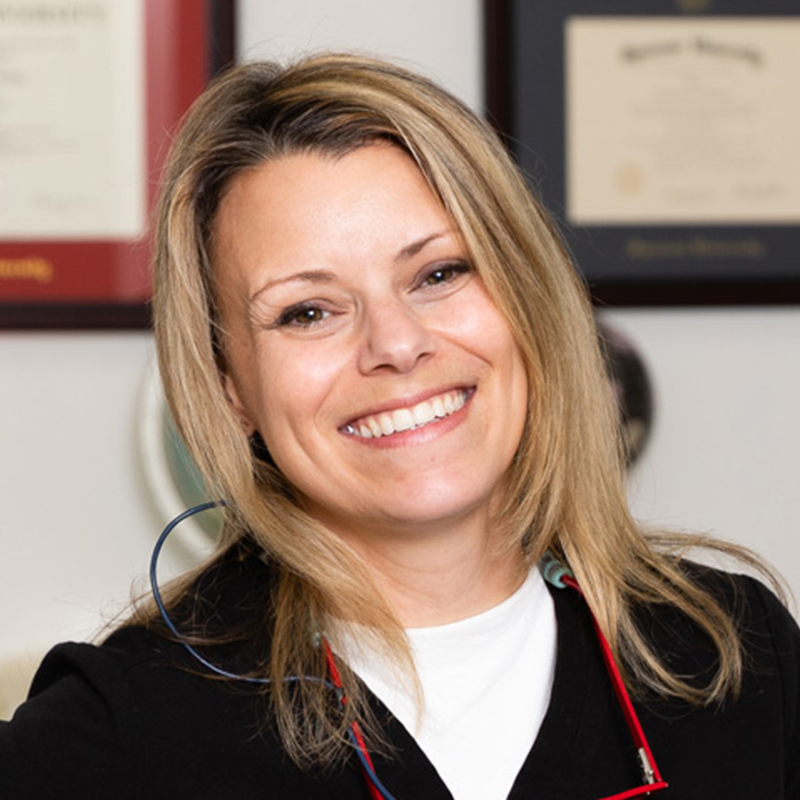
A smiling woman with long, light brown hair and glasses, standing in an office setting adorned with framed certificates, exuding a friendly and professional demeanor.

Dr. Trahan is a board-certified pediatric dentist who treats children from the very first tooth — including infants and children with special health care needs.

Her public-health research includes pre-term dental care for pregnant people and its effects on their children.

Did You Know? 

The earliest years come with the biggest misconceptions — let's sort them out.
Misconception Dental visits will scare a toddler.

what's actually true

Early, positive, no-pressure visits do the opposite: they build familiarity so the dentist is a normal, even fun, part of life — which is the whole point of a dental home.

Misconception A knocked-out or chipped baby tooth isn’t an emergency.

what's actually true

Injuries to baby teeth can affect the permanent tooth forming underneath. Call us promptly after any dental injury — quick action matters.

Misconception If a baby tooth comes in crooked, something is wrong.

what's actually true

Early alignment often looks odd and frequently self-corrects as more teeth arrive. We monitor development at every visit and flag anything that truly needs attention.

Misconception Toothpaste isn’t for babies.

what's actually true

A smear of fluoride toothpaste (rice-grain size) is recommended as soon as the first tooth erupts. At age 2, move to a pea-size amount.

Misconception Teething causes high fevers.

what's actually true

Teething can make babies fussy and drooly with sore gums, but a true fever means something else is going on and deserves a pediatrician’s look.

Misconception Pacifiers and thumb-sucking are harmless as long as they stop eventually.

what's actually true

Extended sucking habits can shift teeth and bite development. We recommend working toward stopping around age three — and we can help with strategies.

Misconception Tongue and lip ties always fix themselves.

what's actually true

Some resolve, but a tight frenum can interfere with feeding, speech, and hygiene. When treatment is needed, a laser frenectomy is a quick, precise procedure.

Misconception Nursing or bottle-feeding at night can’t hurt teeth that are barely in.

what's actually true

Once teeth erupt, milk pooling on them overnight can cause severe early cavities. Feeding habits are one of the first things we’ll talk through — kindly, and without judgment. Once a child has teeth erupt, they should have a schedule for drinking anything other than water with several hours between.

Misconception A one-year-old is too young for a dental exam.

what's actually true

An infant exam is quick and gentle — often done knee-to-knee with a parent — and it establishes healthy habits, checks development, and answers your questions before problems start.

    Frequently Asked Questions

    Real answers to the questions parents ask us every day — from first visits to braces, brushing to sedation.
    Aetna LogoBlue-Shield-CA LogoCigna LogoDelta-Dental LogoGuardian LogoHumana LogoMetLife LogoSDC LogoTricare LogoUnited-Healthcare LogoUnum LogoZelis Logo
    ABPD Certification Logo
    APD Certification Logo
    Goodland Children's Dentistry Logo

    Ready to talk through your child's options?

    Schedule an Appointment
    New PatientsGet Started Here