(805) 456-2866
Sedation Dentistry for Children
Comfort and calmWhen anxiety, age, or the procedure calls for it, we offer sedation matched carefully to your child — never more than they need, always with you in the decision.
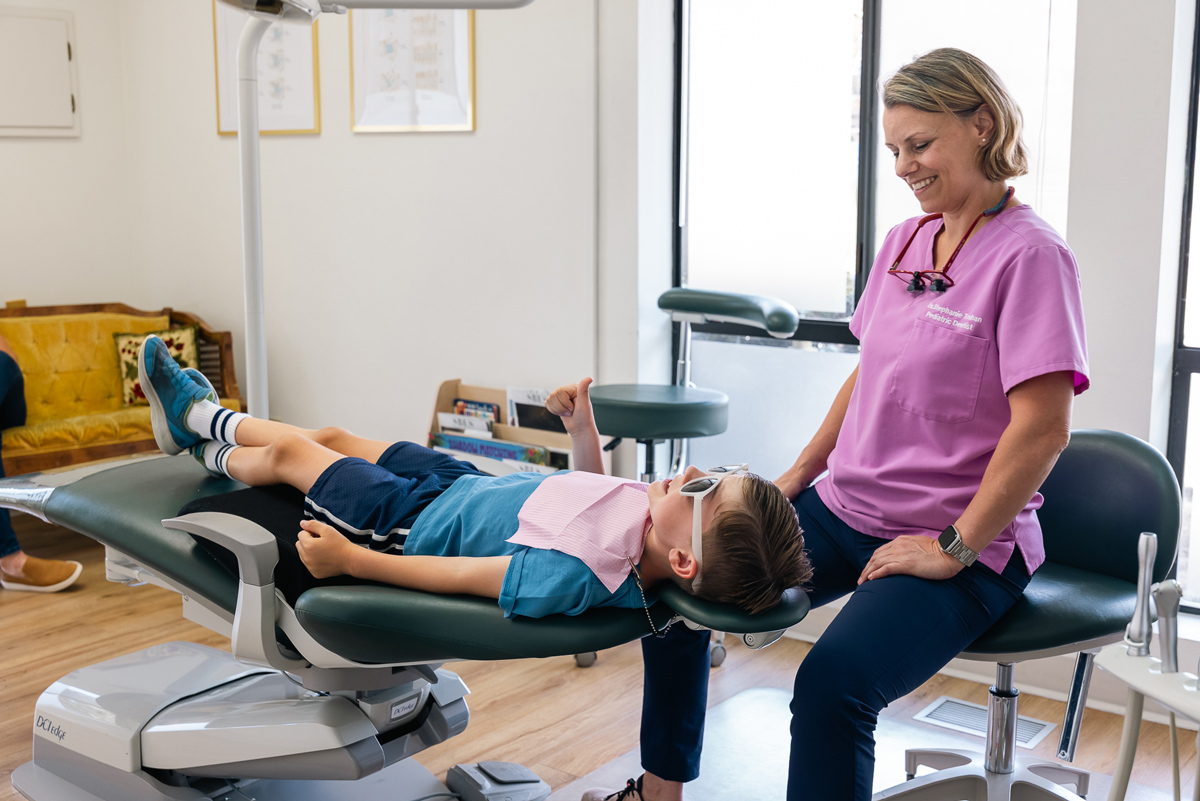
The least, latest, and safest option that works
Most children never need sedation at a dental visit. Warmth, patience, humor, and letting kids go at their own speed handle far more than parents expect.
But when a child is very young, very anxious, has special health care needs, or faces a longer procedure, the kindest path is sometimes a calm, comfortable one. We think of sedation as a ladder — and we start on the lowest rung that will genuinely work for your child.
0
Options
From mild laughing gas to hospital-based anesthesia — matched to your child.
The sedation options:
Nitrous oxide (laughing gas)
- The gentlest option — mild relaxation
- Child stays fully awake and responsive
- Wears off in minutes; most kids leave as if nothing happened
- Alone or alongside other options
Oral & intranasal sedation
- Mild-to-moderate relaxation, no needles
- Liquid or nasal spray
- For children who need more help settling
- Clear before-and-after instructions provided
Hospital-based general anesthesia
- For extensive treatment, very young children, or medical needs
- Provided with a hospital-based facility
- Dedicated anesthesia staff, fully controlled setting
- We walk you through it start to finish
Most visits need no sedation at all — it's reserved for when it's truly the kindest, safest path.
| Sedation Type | Level of Sedation | Administration Method | Advantages | Disadvantages |
|---|---|---|---|---|
| Nitrous oxide (N2O) | Mild | Inhalation | Rapid onset and recovery, Safe and effective, No injection required, Can be used alone or in combination with other sedatives | Not effective for all patients, May cause nausea or vomiting, Patients may not like the mask or feel claustrophobic |
| Oral or intranasal sedation | Mild to moderate | Oral or Intranasal | Simple and non-invasive, Easy to administer, Can be used alone or in combination with other sedatives | Longer onset and recovery times, May be difficult to achieve desired level of sedation, Can cause nausea, vomiting, or paradoxical reactions |
| General anesthesia | Deep | Injection or inhalation | Complete loss of consciousness and pain sensation Ability to perform extensive dental work | Invasive, Requires specialized training and equipment, Potential for serious complications such as airway obstruction, aspiration, or cardiac arrest |
The decision to use sedation will be discussed at length with parents.
How we decide — together:
1
We review your child.
Age, medical history, anxiety level, and the treatment planned — the option has to fit the kid, not the other way around.2
We lay out the choices.
Options, trade-offs, and our recommendation, in plain language. Bring every question you have.3
You decide with us.
Nothing happens without your understanding and consent. This is a decision we make with you, not for you.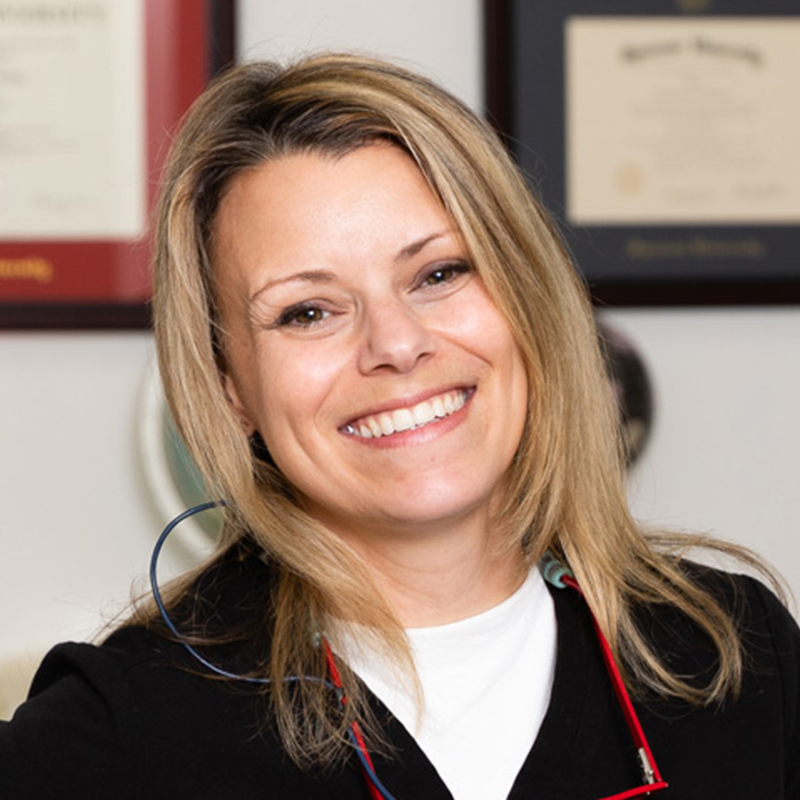
Dr. Trahan holds an active California moderate-sedation certification.
She teaches safe sedation for children to pediatric dental residents at UCLA and to pediatric dentists across the country.
Did You Know?
What parents often get wrong about sedation — and what's actually true.Frequently Asked Questions
Real answers to the questions parents ask us every day — from first visits to braces, brushing to sedation.


Ready to talk through your child's options?
Schedule an AppointmentNew PatientsGet Started Here